
ADHD is primarily a neurological condition. Brain imaging studies show structural and functional differences in areas controlling attention, impulse, and reward. Neurotransmitters like dopamine and norepinephrine are involved, making ADHD a neurodevelopmental disorder with both biological and psychological impacts.
Many people still think ADHD is just a behavior problem. None of that is accurate.
ADHD is brain-based. Psychological factors exist too, but the root cause starts in the brain, not in attitudes or choices.
Why ADHD Is Considered a Neurodevelopmental Disorder
ADHD is classified as a neurodevelopmental disorder. This means the brain develops differently from early childhood.
In people with ADHD, the prefrontal cortex develops later. This part of the brain handles planning, focus, and self-control. Some research suggests a delay of two to three years in its development.
This is not something a child can control. Symptoms of inattention, hyperactivity, and impulsivity appear because the brain has not yet built the structures needed to regulate those things. This is why the DSM-5 places ADHD under neurodevelopmental disorders, alongside autism spectrum disorder.
ADHD Neurobiology Explained
The brain runs on chemicals. Two of the most important ones in ADHD are dopamine and norepinephrine.
Dopamine affects motivation and reward. In people with ADHD, dopamine does not work efficiently. The brain struggles to signal reward, making it hard to stay motivated on tasks that are not immediately interesting.
Norepinephrine affects alertness and attention. Low norepinephrine makes it harder to filter distractions and stay on task.
This is why stimulant medications work for ADHD. They increase dopamine and norepinephrine activity. When those chemical levels improve, focus and impulse control improve too. This is not a willpower problem. It is a brain chemistry problem.
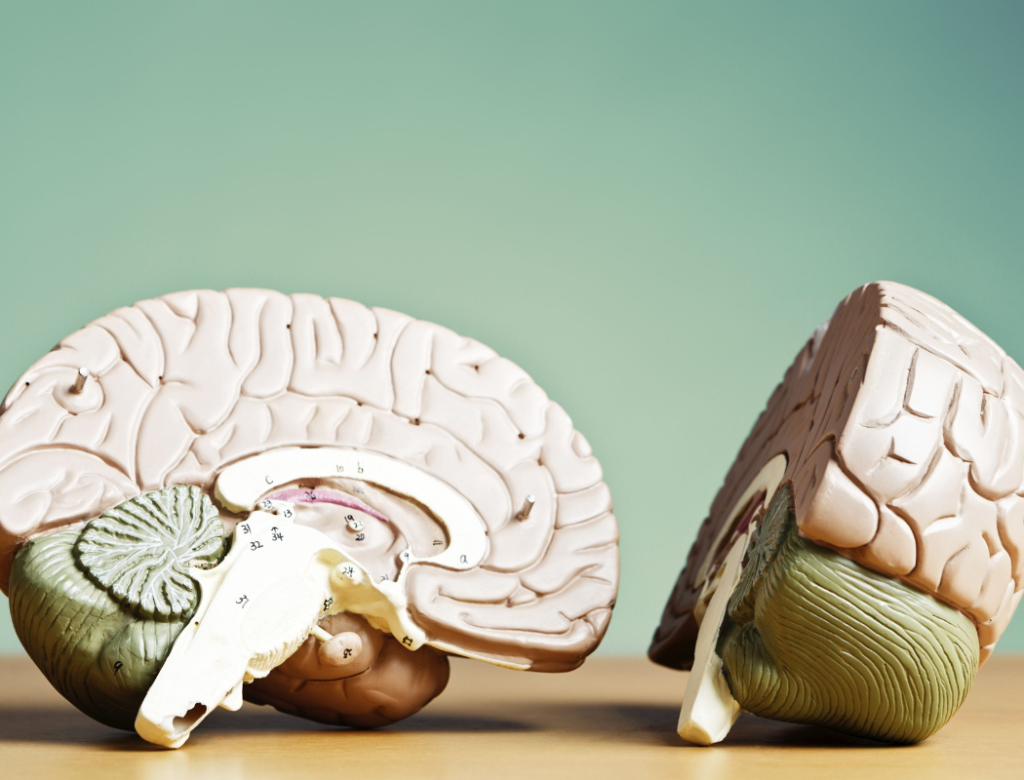
Structural Brain Differences in ADHD
Brain imaging studies confirm what researchers suspected for years. The brains of people with ADHD look and function differently.
MRI scans show that people with ADHD tend to have slightly smaller volumes in key areas, including the prefrontal cortex and parts of the reward system.
A large 2017 study in The Lancet Psychiatry analyzed over 3,200 brain scans and found significant structural differences between those with and without ADHD. These are not subtle findings. They show that ADHD has a real, physical basis.
Executive Function and Emotional Regulation
Executive function is the set of mental skills that help people plan, organize, and control behavior. ADHD directly affects it.
People with ADHD often struggle to start tasks, manage time, stay focused, and control emotional reactions. These are not personality flaws. They reflect how the brain processes and regulates information.
Our counseling services at Daily Hope Healthcare Services help individuals build practical skills for managing these challenges.
Genetics vs Environment
ADHD runs in families. Research shows that genetics account for roughly 70 to 80 percent of ADHD cases.
If a parent has ADHD, their child has a significantly higher chance of having it too. This holds true across cultures, which further supports the biological basis.
Environment also plays a role. Premature birth, prenatal exposure to alcohol or tobacco, and early childhood stress can increase risk. These factors do not cause ADHD alone, but they can contribute when combined with a genetic predisposition.
ADHD: Neurological vs Psychiatric Classification
Some people ask whether ADHD is neurological or psychiatric. It is both, and the two are not opposites.
Neurologists focus on brain structure and function. Psychiatrists focus on how brain differences affect mood, behavior, and thinking. ADHD sits at the intersection of both.
It is neurological because it involves measurable brain differences. It is psychiatric because it is diagnosed and treated within the mental health system. This is why psychiatric evaluation is a key first step in getting an ADHD diagnosis.
At Daily Hope Healthcare Services, we provide full psychiatric evaluations for patients aged 12 and older in Tucson, Arizona and via telehealth statewide.
Treatment Implications
Understanding ADHD as a brain-based condition shapes how it is treated.
Stimulant medications correct the neurotransmitter imbalance. They help dopamine and norepinephrine work more effectively, improving focus and reducing impulsivity. Non-stimulant options exist for those who cannot tolerate stimulants.
Behavioral therapy does not fix the underlying brain difference. But it teaches real strategies for managing it. Skills like breaking tasks into smaller steps, using reminders, and building routines all help.
Both approaches matter. Medication addresses the biology. Therapy addresses the behavior. Together they produce the best results.
Our medication management team works closely with each patient to find the right fit.
Frequently Asked Questions
Is ADHD a neurological condition?
Yes. ADHD involves differences in brain structure and chemistry. Research confirms differences in brain volume, dopamine function, and cortical development.
Is ADHD a mental disorder or a brain disorder?
It is both. ADHD is listed in the DSM-5 as a mental disorder, but it has a clear neurological basis. Brain differences cause the symptoms.
Why is ADHD considered a neurodevelopmental disorder?
Because it starts during brain development in childhood. The prefrontal cortex and reward pathways develop more slowly, leading to attention and impulse control issues.
What part of the brain is affected by ADHD?
The prefrontal cortex is most affected. It controls planning and impulse control. The brain’s reward system, which processes dopamine, is also involved.
Is ADHD caused by a chemical imbalance?
Partly, yes. Dopamine and norepinephrine do not function as well in people with ADHD. Medications that target these chemicals often improve symptoms significantly.
Is ADHD genetic?
Strongly, yes. Genetics account for about 70 to 80 percent of ADHD cases. It is one of the most heritable mental health conditions.
What neurotransmitters are involved in ADHD?
Dopamine and norepinephrine are the two main ones. Both affect attention, motivation, and self-control. Most ADHD medications increase the activity of these chemicals.
Ready to Get Answers?
If you or someone you know has attention, focus, or impulse control issues, a professional evaluation is the right first step.
Daily Hope Healthcare Services offers psychiatric evaluations, counseling, and medication management in Tucson, AZ and via telehealth across Arizona.
Call (520) 372-2272 or visit dailyhopehealthcare.com to book your appointment.